Allegations swirl around former development bank chief and Nicaragua’s Sandinista regime

Source of image: Nicaraguan National Police
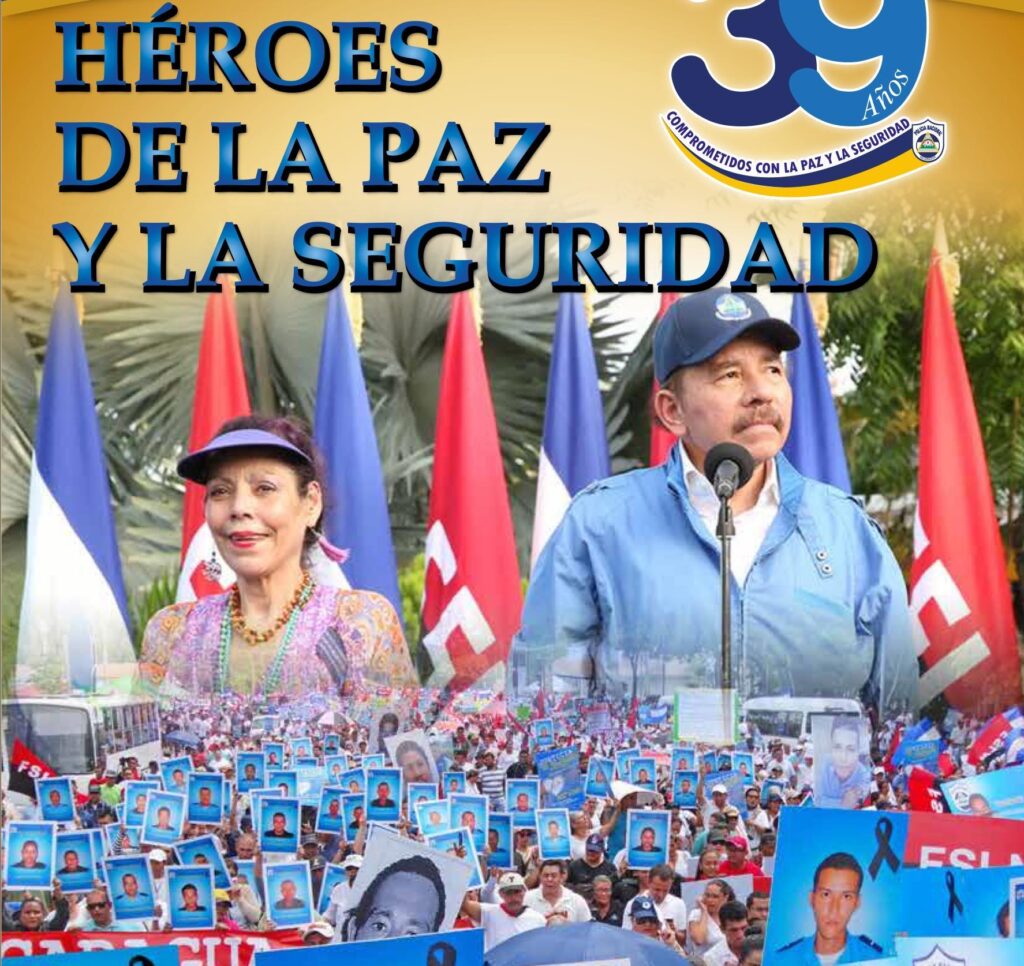
Source of image: Nicaraguan National Police
If a recent court decision is any indicator, the Trump administration is going to have a tough time getting corruption convictions in the nation’s capital.
A recent international case shows the hurdles. In September, federal Judge Christopher Cooper issued a highly technical ruling in an international corruption case that blocked discovery into an alleged criminal conspiracy involving the regime in Nicaragua.
At issue is CABEI, the Central American Bank for Economic Integration. During his five-year term as executive president between 2018 and 2023, Dante Mossi pushed millions of dollars into the Nicaraguan National Police (NNP), which President Donald Trump placed under international sanctions in 2020.
The NNP is the main enforcer for Daniel Ortega, Nicaragua’s 80 year-old strongman who first seized power in a 1979 communist coup. Ortega has ruled indirectly and directly ever since. He now reigns with his wife as co-president.
Running CABEI, Mossi funded Ortega’s NNP expansion, even after the Sandinista leader revived a new wave of repression of his political opponents.
Mossi did this while the Trump 45 administration worked to choke off international loans to the Ortega regime, and when then-Senator Marco Rubio, now Secretary of State, led a fight against Mossi’s alleged abuse of the bank.
But Mossi, who once boasted that Ortega made him “feel like a rock star,” decided to back Ortega instead and poured more than $2.5 billion into Nicaragua’s government-controlled programs.
Rubio was the driving force behind bipartisan Senate and House letters to Central American presidents in 2023, asking them to leverage their leadership in CABEI “to ensure that the bank’s lending does not perpetuate the consolidation of Nicaragua’s dictatorship.”
That spelled the end of Mossi’s presidency of the bank. With his term up that autumn, the board unanimously rejected his bid for a second five years.
Mossi gives different versions of events. He blamed the Biden Administration for his ouster. He also claimed he told the CABEI board “that I wasn’t looking for a second term.”
That’s news to CABEI, which asserted in its federal lawsuit that the board showed Mossi the door. Its allegations range from favoritism toward the Nicaraguan Sandinistas, to breaches of contract, to running side deals to sell Chinese electric cars.
CABEI alleges that Mossi, in retaliation for being fired, filed a defamation suit seeking $2.5 million at the Central American Court of Justice – a shady international tribunal headquartered in Nicaragua.
“Mossi has waged an unrelenting campaign of extortion against CABEI,” the bank said. “He has made it his mission to attack CABEI and harm its ability to do business in particular with its US partners…by publishing false statements about CABEI largely aimed at the US market nearly every day.”
Mossi brushed off the CABEI suit in Washington as “frivolous” because, he argued, he is a resident of Honduras.
Following Judge Cooper’s ruling, Mossi posted on LinkedIn that CABEI “lost its case against me in ALL its arguments.”
Indeed, the court ruled in favor of Mossi on procedural grounds. It threw out the bank’s allegations that Mossi violated the Racketeer Influenced and Corrupt Organizations (RICO) Act. The law was designed to target organized crime, particularly mafia bosses and corrupt political figures, and to fight systemic corruption, including political corruption. CABEI sought to prove Mossi’s corruption through RICO provisions, anticipating damning evidence through discovery. Judge Cooper blocked the bank from proceeding.
However, the court did not absolve Mossi of the other serious allegations, and allowed CABEI to appeal, which CABEI has stated it will do. CABEI has blacklisted Mossi and his associated enterprises from doing any business with the bank.
CABEI declined to comment, citing pending litigation.
Asked about allegations of inappropriate relations with the Ortega government or personal financial interests in Nicaragua, Mossi replied that he worked “with all the member countries” of the bank. “I always took care of having my financial disclosure, and I can assure you I don’t have any financial interest or connection to any of these governments then, or at this moment.” He did not address Nicaragua specifically.
Everyone in the American legal system is innocent until proven guilty, but Judge Cooper’s blockage of discovery raises questions about the court itself.

- The ‘fever model’ of revolution: recognize the symptoms that are right before your eyes - February 26, 2026
- I infiltrated radical groups 40 years ago. Leftists are desperate for martyrs - February 6, 2026
- Chinese spies ‘sham marriage’ scandal exposes ‘targeted’ national security threat at major US base: Waller - January 27, 2026