The Dick Cheney I Knew

Originally published by The Editors.
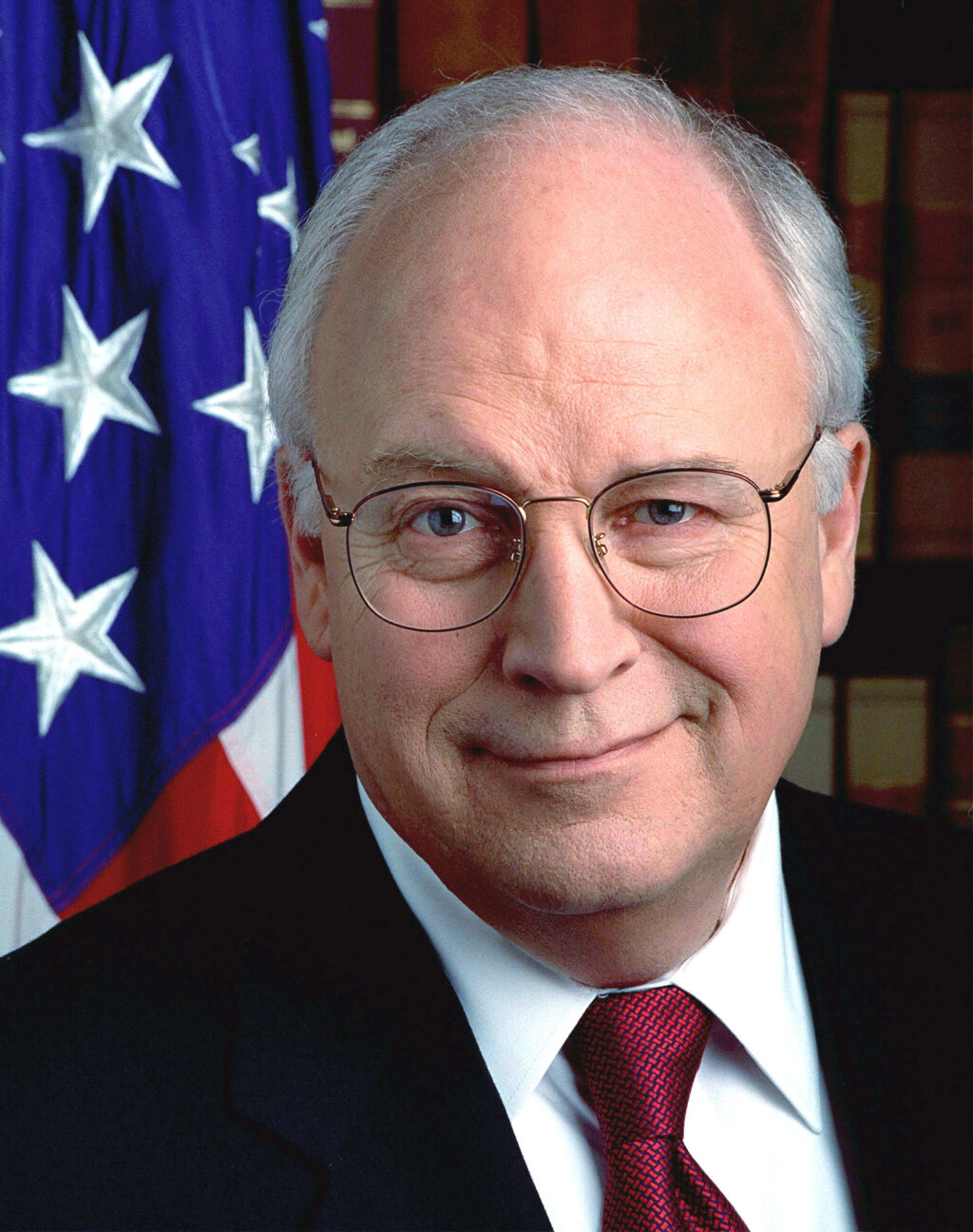
Vice President Cheney was not a terribly difficult man to read. He was a Western man — a child of a railroad family and man whose ancestors were woven into the fabric of American society, especially the American society that pushed westward and built the nation. In his West Wing office hung a memento to his ancestor that had fought in the Civil War, a statue of a famous Indian chief, and a replica of a B-2 bomber. His values were of that pedigree: a quiet but strong man, understated, yet a determined and passionate patriot and warrior for the United States. There was nothing terribly complicated about his values or outlook; he was intensely intelligent and had an unfailing memory. He collected knowledge the way others breathed air. He grew up in the shadow of World War II, and came to Washington at a time when those slightly older than him, those who had fought in that war as youth, assumed the reins of power.
From what I could tell, his concept of America emerged directly out of that great war and the transfer of its lessons and clarity of moral purpose onto the immediate new twilight struggle into which the United States had entered. The intellectual discourse of the age revolved around the failure of Munich in 1938, the absoluteness of evil in Hitler and Stalin, and the need to defeat and bury their movements.
In his world, America’s power, the value of freedom as a guiding beacon, and strong allies around the world aligned as bedrock for human civilization. And for the man who grew up from the edge of the Midwest and near the Rockies, defending civilization demanded the values of the rancher community he grew up in: sobriety, clarity, integrity, straightforwardness, and disdain for wrapping problems in shiny paper. In his meetings at the White House, as far as one can get from Caspar Mountain and Platte River near Caspar from where he came, he showed impatience with those who sought to figure out “how to package” what were problematic events or policy setbacks. He wanted to confront and solve problems, not spin the portrayal of them or just manage them enough to kick the can down to the next guy.
Read more HERE.

- Qalibaf the monster - March 6, 2026
- David Wurmser discusses Iran with NTD News - March 6, 2026
- Tensions build on Iran - February 28, 2026