The sad tale of the USS Boise – people need to lose their jobs

Originally published by AND Magazine
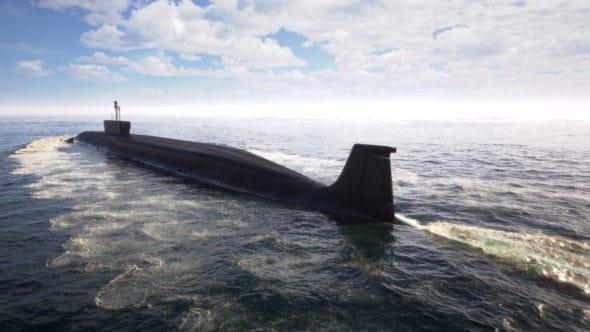
The USS Boise is an American nuclear attack submarine. It was commissioned in 1992. It was docked ten years ago pending a regular overhaul. It has been out of service ever since. In 2024, the Navy awarded a $1.2 billion dollar contract for work on the Boise. Eight hundred million of that has already been spent on the boat. It is still not back in service. The overhaul is only 22% complete. The Navy believes it will cost $3 billion to finish the work.
And now the Navy has announced it is effectively giving up on the Boise. It will be inactivated. Every dollar spent on refurbishing it has been wasted.
“This strategic move allows us to reallocate America’s highly-skilled workforce to our highest priorities: delivering new Virginia and Columbia-class submarines and improving the readiness of the current fleet,” Chief of Naval Operations Adm. Daryl Caudle said in the statement, which characterized inactivation plans as a “tough but necessary decision.”
“We owe it to our Sailors and the nation to make these tough calls to build a more capable and ready Navy,” Caudle said.
In 2015, the Boise went to Naval Station Norfolk for repairs, but there was no space available and insufficient workers to address the issues. In 2016, the sub was classified as “restricted” and unable to perform full operations. In 2017, its dive certification was taken away.
Yes, as of 2017, the Boise, an attack submarine, was deemed to no longer be safe to submerge.
What happened to the Boise is symptomatic of a much bigger problem. The Navy’s maintenance backlog for submarines is terrifying.
The backlog for attack boats at the four public shipyards is due to maintenance availabilities getting longer and not enough workers at the public yards, the Congressional Budget Office found in 2021.
While the Navy has made efforts to improve workforce and schedules in the public yards, the fundamental problems at the shipyards have continued to linger, naval analyst Bryan Clark with the Hudson Institute told USNI News recently.
None of this is new. In 2018, the Government Accounting Office (GAO) issued a scathing report on the situation with Navy maintenance backlogs.
GAO found that in 2018, $1.5 billion was spent on attack submarines sitting idle while waiting to enter the shipyards, and on those delayed in completing their maintenance at the shipyards. Thirty to forty percent of all Navy attack subs were sitting in port, unavailable for deployment.
All of this was the result of known problems. The four public naval shipyards lacked sufficient dry docks, infrastructure, and workers to keep up with requirements. Facilities were outdated. Some equipment in use was decades past the expiration of its service life. Private yards were able to handle some work but were unwilling to invest in facilities without commitments from the Navy for stable work.
There weren’t enough skilled workers. The “solution” was to push the existing workforce harder, require more overtime, and bring in employees who were less experienced and prone to perform substandard work. Quality declined. Work was completed more slowly.
New submarines were not built. Existing older boats were kept in service. As they aged, the maintenance problems became more intractable. In many cases, spare parts could no longer be procured anywhere. Often, replacement parts had to be reengineered and manufactured specially, because no one made them anymore.
Everyone understood the issues. Nobody did anything to fix it.
The Boise will be mothballed and ultimately scrapped. The problems that caused this disaster remain largely unaddressed. We are all at risk, and the people responsible need to be fired.
