Time to start thinking a few moves ahead in the war with Iran

Originally published by AND Magazine
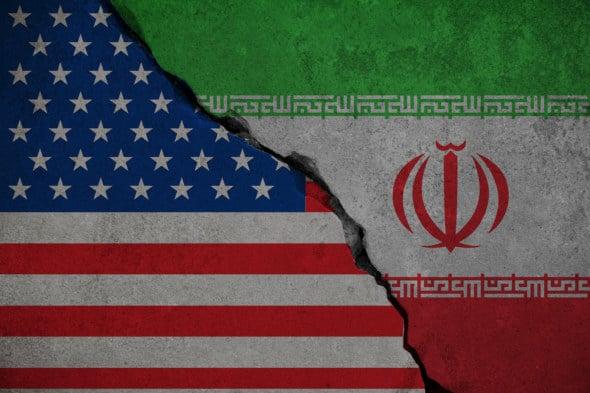
iranian flag on broken wall and half usa united states of america flag, crisis trump president and iran for nuclear atomic risk war concept
Military superiority without a coherent strategy is useless. Perhaps worse. Perhaps dangerous.
We attacked Iran based on the assumption that a nation run by religious zealots would fold and wave the white flag within days. That did not happen. It was never going to happen.
We eventually pivoted to blockading the Straits of Hormuz on the assumption that the Iranians would return to the negotiating table and capitulate. That did not happen. It is unlikely to happen.
The Iranian leaders with whom we are dealing now are even more committed to the existential struggle against the West than the ones we killed. They are already moving to prepare for a continued asymmetric fight, expanding this war, and digging in for the long haul.
We would do well to begin to focus on their next moves before they make them. We would do well to do more than simply hope they quit.
In the Straits of Hormuz, we can see the shape of the Iranian plan to keep the waterway closed to commercial shipping traffic. Small boats armed with light armament have attacked multiple ships and forced them to turn back. We have sunk every combatant of any size the Iranians had, but they do not need warships to pose a sufficient threat to deter tankers from sailing through the Straits or to make insurers unwilling to issue policies. We are now faced with the prospect of having to sift through the hundreds of small fishing boats and dhows in the Gulf and determine which ones are engaged in legitimate commercial business and which are operated by the Iranian Revolutionary Guard Corps (IRGC).
The Iranians are claiming to have built huge numbers of new missiles and drones despite American air attacks. While a certain amount of exaggeration must be assumed, the claim highlights a disturbing fact, particularly concerning drones. The Iranians have embraced the new military doctrine of “affordable mass.” They cannot hope to compete with us in building sophisticated, high-end missiles and interceptors, but they do not need to.
The Iranians are not shooting at American warships, nor do they hope to be able to down more than a handful of American aircraft. They are firing at big, slow-moving ships and fixed commercial installations like refineries, pipelines, and other parts of the Gulf’s infrastructure. They can send sufficient numbers of drones against these targets to overcome the defenses currently in place and cause unacceptable damage to the world economy. And then they can build hundreds more such drones in locations in civilian housing areas and non-descript commercial districts, and make our job of hunting such workshops terrifyingly complex and difficult.
The Iranians are working overtime to find every way imaginable to limit the economic impact of our blockade. They cannot hope to replicate the flow of oil that we have cut off in the Straits of Hormuz. They can find multiple smaller routes by which both to export oil and to import critical materials they need for their war effort.
The Iranians have a huge amount of oil at sea right now on commercial vessels. Roughly 100 million barrels of oil are on tankers anchored near Malaysia and Indonesia. The Iranians can transfer that oil at sea to vessels we may not have on our radar and still get it to market. They can take payment for those sales in currencies that circumvent our control over the world’s banking system.
The Iranians sell significant quantities of oil via the sea route across the Caspian Sea and land borders like that with Pakistan. Again, they cannot hope to move anything approaching the quantity of oil that huge supertankers can move through the Straits of Hormuz via these routes. They can, however, expand what they have done to date, and every little bit helps. Every barrel sold buys time. Every barrel sold helps build more drones and more “kamikaze” boats in the Gulf.
OilPrice.com
Meanwhile, Iran retains cards it has not played at all yet. To date, there have been no attacks inside the United States by Iranian “sleeper cells”. That could change tomorrow. Such attacks should not be assumed to be small-scale. There are an almost endless number of soft commercial and industrial targets in America against which teams of professional operatives could stage attacks and cause mass casualties. We are nowhere near ready for this threat. It should be noticed, for instance, that while multiple countries in Europe and the Middle East have arrested teams of Iranian agents on their soil in recent months, we have apparently not arrested a single one.
You can conclude from that either that we are not getting the job done or that Tehran sent no one here. I am not betting on the latter.
None of this means we have lost the game. It does mean it is long past time to stop assuming the other side will just quit or that simply more bombing will solve the problem. The Iranians are the folks who invented modern chess. They are thinking many moves ahead. We might want to start doing the same.
