Why America’s critical infrastructure could be Iran’s most attractive target

Originally posted by The National Interest
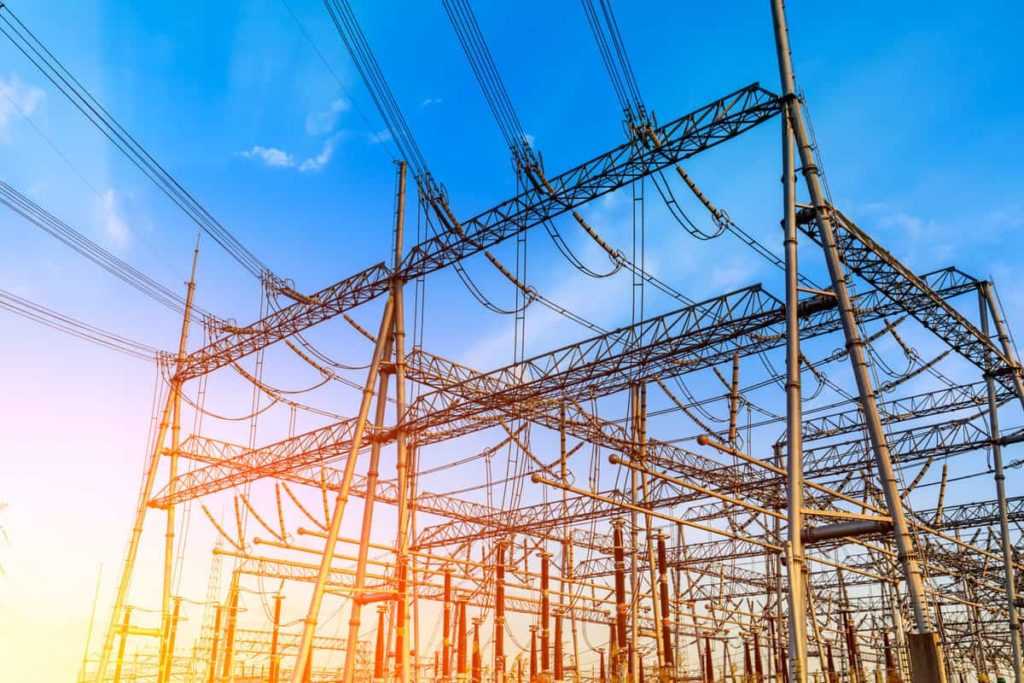
High voltage electricity tower at sunset.substation industrial background.
As warfare evolves, civilian infrastructure is increasingly viewed as a strategic target rather than collateral damage.
Since the beginning of the Iran War, many media pundits have been assuring the American people that Iran is incapable of attacking the American homeland. But is this true?
When analyses of Iran’s capabilities to attack the United States are discussed, they primarily revolve around Iran’s current missile and rocket capabilities. If that were the only threat, then yes, we could assure the American people they are safe.
However, Iran and its proxies have a formidable cyber warfare division and have demonstrated the ability to target US critical infrastructure in the past. US agencies such as the Cybersecurity and Infrastructure Security Agency (CISA), the Federal Bureau of Investigation (FBI), the National Security Agency (NSA), and the Department of Defense Cyber Crime Center (DC3) have issued multiple advisories confirming this, particularly for sectors such as energy, water/wastewater, manufacturing, transportation, and local government.
In addition to their significant cyber capabilities, Iran surely has a substantial “sleeper cell” presence in the United States today, which, in the event of escalation, has the potential to conduct physical attacks against our critical infrastructure, military, and civilian targets. During the Biden administration alone, roughly 1.7 million Special Interest Aliens (SIA) were encountered trying to cross our Southern border, and roughly 75 to 80 percent of them were then released into the country, with a notice to appear in court. SIAs are those immigrants whose travel patterns “potentially poses a national security risk” according to the Department of Homeland Security (DHS), and “possibly have a nexus to terrorism.” In addition to this are the 1.7-2 million known “gotaways” that were witnessed crossing the border but were never detained. And then there are the unspecified number of border crossings that we are unaware of and never witnessed. So, while there are no official government numbers for SIAs that specifically originated from Iran or its proxies, it’s safe to assume that the number could be in the multiple thousands (or more).